DIY Versus Professional Fence Installation: Why Hiring a Professional Saves You Time and Money
When property owners encounter the task of putting up a fence, they frequently consider the advantages and disadvantages of DIY compared to professional installation. Although the appeal of cutting costs with a DIY approach is attractive, the likely challenges can cause higher costs and extended timelines. Professionals bring expertise and efficiency, which can be essential in handling difficult installation obstacles. This raises an important question: What are the real benefits of opting for expert installation?
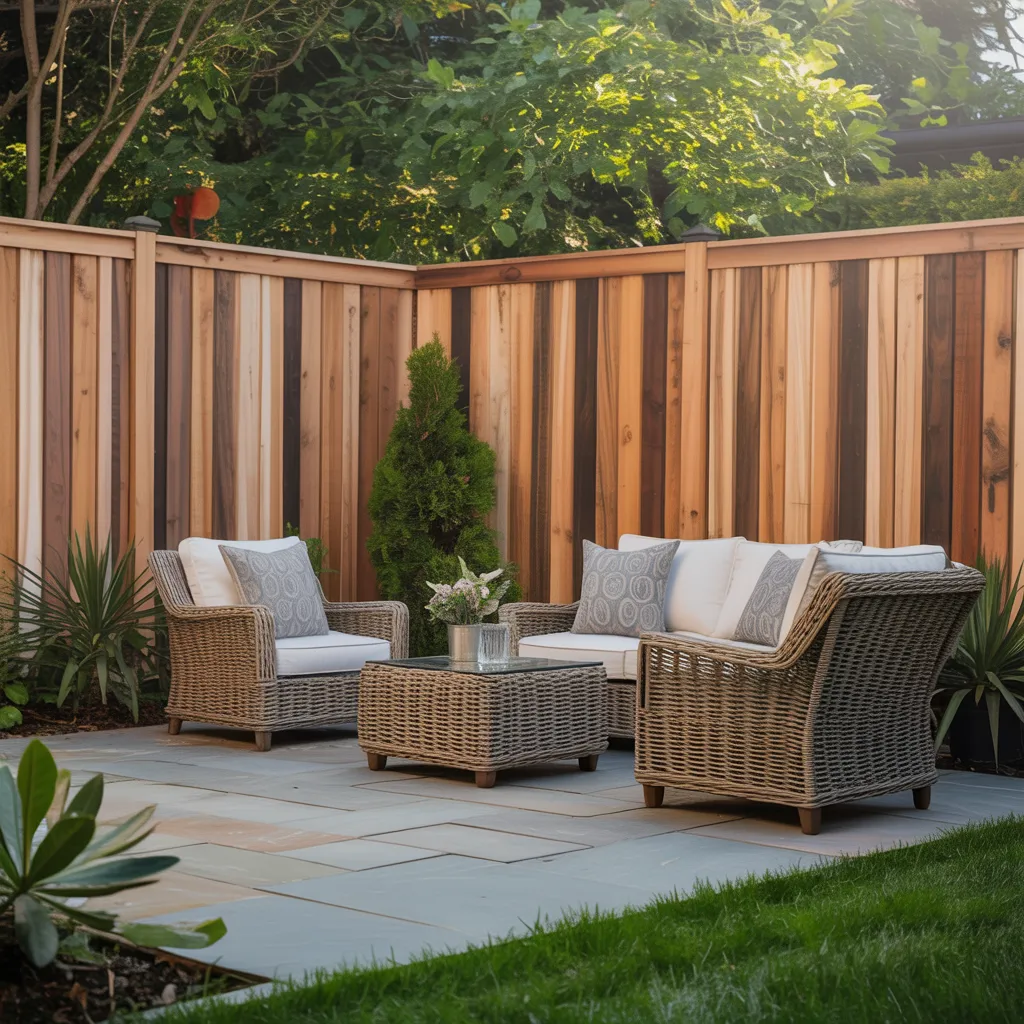
The Perks of Professional Fence Installation
Although some homeowners might attempt a DIY approach to fence installation, the benefits of hiring professional installers frequently outweigh the upfront cost. Experienced installers offer expertise that ensures the fence is built properly and efficiently. They utilize specialized tools and equipment, which lowers the chance of errors and boosts overall quality. Moreover, their expertise allows them to address difficulties such as uneven terrain or local requirements, which can create complications for DIY attempts.
Furthermore, engaging professional installers often results in speedier project finishes, releasing homeowners from the challenge of extended projects. Professional installers also extend warranties covering their services, offering assurance about durability and maintenance. This assurance can alleviate apprehensions about lasting problems that may stem from incorrect installation practices. In summary, the merits of professional fencing services involve quality craftsmanship, time savings, and long-term reliability, making it an ideal option for countless homeowners.
What Will Professional Installation Cost You?
The price of expert fence installation can differ significantly depending on a number of factors, such as materials, labor, and site conditions. Being aware of these influences is crucial for homeowners who are considering this option. Moreover, assessing the long-term value can assist in determining if the investment is suited to future needs and property enhancement.
Factors Influencing Installation Cost
Many elements impact the complete cost of expert fence installation, highlighting the need for homeowners to know what influences these expenses. The choice of materials—such as metal, wood, or vinyl—plays a major role in determining the overall cost. Additionally, the length and height of the fence significantly matter; larger fencing projects require a larger budget. Labor costs also fluctuate based on the intricacy of the job and regional labor costs. Site conditions, such as ground conditions and accessibility, can add to the overall expense, as extra preparation or equipment might be needed. Finally, any required permits or inspections must be taken into account, increasing the final price. Recognizing these components enables homeowners to budget wisely for their fence installation.
Considerations for Long-Term Value
Grasping the expenses associated with professional fence installation goes beyond the immediate expenses. While the upfront fees might appear higher when measured against DIY options, the lasting value frequently warrants the investment. Professionals bring expertise that guarantees proper installation, which can reduce the need for expensive repairs and maintenance as time goes on. Additionally, a expertly installed fence can improve property value and curb appeal, potentially providing a return on investment when listing a property for sale. The durability of professionally installed materials often surpasses DIY alternatives, reducing future replacement costs. Ultimately, hiring an expert can lead to considerable financial benefits and peace of mind, making the original cost worthwhile in the context of lasting advantages.
Typical Obstacles of DIY Fence Projects
Starting on a DIY fence project can rapidly bring to light a host of hidden difficulties. Residents often overlook the intricacy of thorough preparation, including boundary line evaluations and securing required permits. Without a thorough land survey, they could trespass onto adjacent property or breaking municipal codes.
Furthermore, identifying the right materials and equipment can be daunting. A lack of experience may cause buying insufficient equipment or underestimating measurements, resulting in cost increases and delays. Proper installation methods are crucial; misalignment or inadequate post depth can undermine the durability and effectiveness of the fence.
Furthermore, many DIYers lack the experience to anticipate weather-related setbacks, which can bring work to a standstill. The physical requirements, such as excavating post holes or maneuvering cumbersome materials, can also challenge even the most committed DIY practitioners. These hurdles illustrate the intricacies associated with DIY fence installations, prompting many to reconsider the value of professional expertise.
How Professionals Save You Time
When evaluating fence installation, skilled specialists offer substantial time advantages as opposed to DIY approaches. Their proficiency in organizing and completing projects ensures speedier results and reduces delays. This efficiency empowers homeowners to take pleasure in their new fence without the extended wait typically attributed to self-installation.
Faster Project Completion
Employing professional installers significantly speeds up the fence construction process. Skilled installers arrive with specialized equipment and experience, allowing them to complete projects more quickly than most DIY enthusiasts. Whereas a homeowner could spend days or even weeks completing the installation, skilled teams commonly wrap up the job within hours or days, based on the scope of the project. Their knowledge of diverse materials and methods allows them to address obstacles effectively, minimizing delays. Moreover, professional teams usually collaborate effectively, splitting responsibilities to maximize efficiency. This not only speeds up the installation but also reduces the likelihood of errors that could prolong the project. Ultimately, hiring professionals guarantees a timely completion, allowing homeowners to enjoy their new fence sooner.
Skilled Planning and Execution
Though many homeowners fail to recognize the value of comprehensive planning, professional installers recognize that meticulous preparation is key to a successful fence project. Professionals start with a thorough evaluation of the property, considering factors such as terrain, soil type, and local regulations. This comprehensive method ensures that all required materials are obtained and that the layout corresponds with the homeowner's expectations while complying with regulatory standards.
Furthermore, skilled technicians use advanced techniques and tools, optimizing the installation workflow. Their background empowers them to predict complications and tackle them ahead of time, reducing delays. Through strategic planning and effective team coordination, experts not only preserve time but also reduce expensive errors that commonly occur due to inadequate foresight. In essence, professional preparation and execution produce a streamlined, highly efficient installation.
How Experts Manage Local Regulations
Maneuvering local codes can be a challenging task for homeowners, but professionals excel in this area. Experienced fence installation experts possess in-depth knowledge of zoning regulations, building codes, and permit obligations unique to each area. They remain informed about changes in regulations, ensuring conformity that homeowners may miss.
Furthermore, experienced specialists commonly hold strong connections with municipal officials, which can speed up the licensing procedure. This established rapport permits them to handle any potential roadblocks effectively, minimizing interruptions that can occur from lack of clarity of municipal guidelines.
Additionally, professionals can assist homeowners in selecting the right materials and designs that meet local guidelines, minimizing the risk of future fines or mandatory alterations. By drawing on their experience, professionals streamline the installation process, shielding homeowners from the difficulties and complications of navigating compliance requirements. Ultimately, hiring an expert not only guarantees adherence to legal standards but also enhances the overall efficiency of the project.
How Professional Installation Guarantees Quality and Durability
Maneuvering through local regulations is merely one component of ensuring a successful fence installation; the quality of workmanship plays a vital role in the fence's longevity. Skilled contractors bring a wealth of experience, applying techniques that ensure proper depth, alignment, and stability of fence posts. Their proficiency limits common installation problems, such as settling or leaning, which can undermine a fence's structural integrity over time.
Moreover, expert fencing specialists work with premium products, recognizing the complexities of multiple fencing styles and how they respond to natural elements. This understanding works to prevent untimely wear and degradation, maximizing the service life of the fencing structure.
Moreover, experienced setup typically involves correct finishing and sealing methods that strengthen weatherproofing capabilities. When choosing professional services, homeowners can have peace of mind knowing that their fencing system will exceed as well as meet appearance requirements but also endure for years to come, offering reassurance and decreasing the necessity of constant fixes.
Lasting Benefits of Expert Fence Installation
Choosing professional fence installation offers considerable long-term benefits that typically surpasses initial expenses. Skilled professionals offer expertise, guaranteeing the fence is properly installed, which reduces the likelihood of costly repairs. A expertly documentation installed fence can withstand environmental stresses, increasing its durability substantially compared to do-it-yourself attempts that may compromise structural integrity.
Moreover, bringing in a professional installer commonly increases property value. A expertly installed fence not only elevates the appearance but also strengthens street-side appeal, making the home more enticing to interested buyers. This is especially relevant in property markets where initial impressions are crucial.
Additionally, skilled contractors regularly supply warranties, offering security that amateur installations commonly do not include. Such coverage for damage or defects protects homeowners from unexpected costs in the future. In summary, the lasting value of expert installation services yields significant rewards, financially as well as in terms of preserving a home's structural quality.
Commonly Asked Questions
Can I Install a Fence Myself if I Lack Experience?
Yes, anyone can erect a fence without any prior knowledge, but doing so may cause problems and costly errors. Research, preparation, and patience are critical, though working with a professional can provide a more efficient and reliable outcome.
What Tools Are Required for DIY Fence Installation?
For fence installation, key tools needed are safety gear, a post hole digger, level, measuring tape, hammer, saw, fence panels, and concrete mix. These items guarantee proper installation and enhance overall efficiency during the process.
How Do I Choose the Right Fence Material?
Selecting the right fence material means considering longevity, maintenance, visual appeal, and affordability. Frequently used options include vinyl, wood, metal, and composite. Examining each material's pros and cons helps in making a knowledgeable selection that meets individual requirements.
What Upkeep Do Fences Need After Installation?
Fences demand routine upkeep, which includes cleaning, inspecting for damage, and applying protective coatings. Wood fences gain from sealing and staining, while metal varieties might need anti-rust treatment. Regular maintenance extends lifespan and preserves appearance.
How Can I Ensure My Fence Is Level and Straight?
To guarantee a fence remains level and straight, you should use a long level or a string line as a guide. Frequently check the alignment during installation, adjusting posts as necessary to maintain consistency throughout the process.